
Duininck Celebrates 100 Years
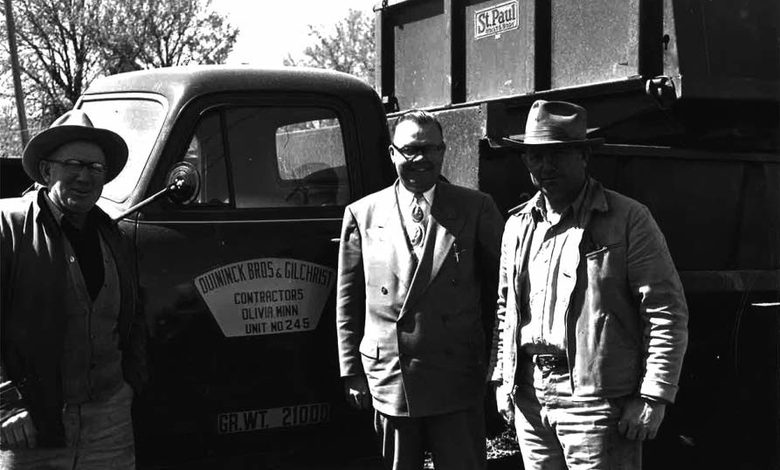
Founded in Minnesota in 1926 by three brothers, Duininck today is a fourth-generation family-owned construction company with operations across the Midwest, Texas, and Southeast.
By Katie Navarra
When brothers Amos and Henry Duininck began grading roads with horse-drawn iron graders near Prinsburg, Minnesota, in 1926, their goal was simple: support their growing families. Two years later, their brother, Wilbur, joined the business, laying the foundation for a four-generation, family-owned enterprise.
Over the next 100 years, that small roadbuilding operation evolved into one of the nation’s leading asphalt and diversified civil construction companies. Through the Great Depression, the expansion of America’s interstate system, and changing paving technologies, each generation built on the previous one by embracing innovation while remaining committed to its communities.
“My brothers, cousins, and I – there were seven of us – had the privilege of watching our dads, who were hardworking, generous people, build the business,” said Harris Duininck, a second-generation partner in the company. “They laid good groundwork for us when we came into the business.”
A drive for continuous improvement positioned Duininck as an early adopter of paving technologies, quality practices, and construction methods that have since become industry standards.
The Road to 100 Years
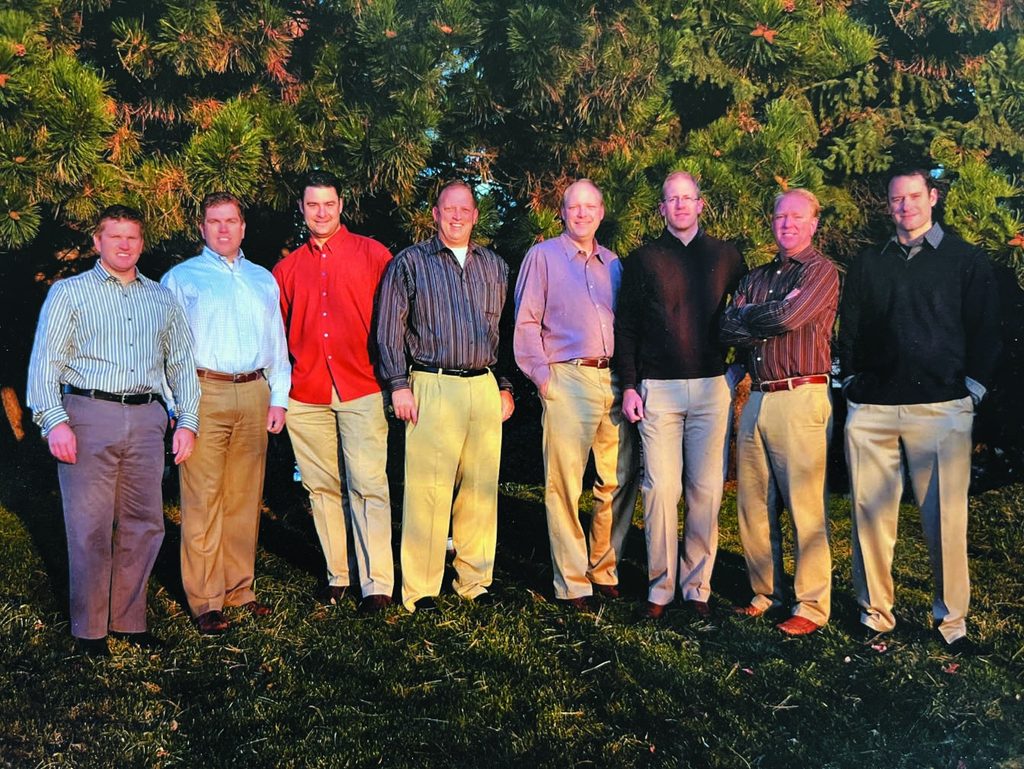
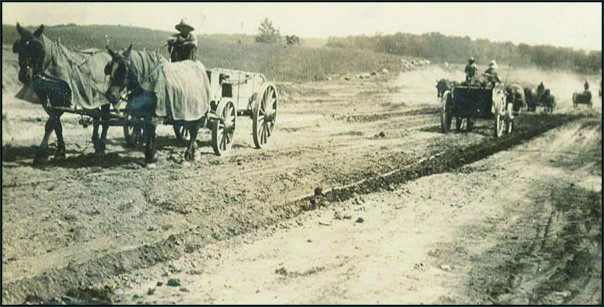
Like many businesses, Duininck faced challenging times during the Great Depression. In 1932, a partnership with engineer Dave Gilchrist provided stability while bringing technical expertise that would shape the company’s future. During the 1930s, the company transitioned from horse-drawn equipment to trucks and mechanized construction equipment, becoming one of the first contractors in Minnesota to purchase the industry-changing “mucker.”
By the mid-1940s, the company had completed its first asphalt paving project in Eveleth, Minnesota, marking its transition from road grading to asphalt contracting. When President Dwight D. Eisenhower’s 1956 Federal-Aid Highway Act accelerated highway construction, the company’s second generation was part of the leadership team and ready to jump in.
“The big public works program was really getting rolling in Minnesota,” Harris said. “Our dads gave us [the second generation] the opportunity and encouragement to work hard and see what our growth could be. It was during this time that we grew from one asphalt plant.”
Looking ahead and embracing practices to reduce costs and improve efficiency were core to the company’s growth. Long before recycled asphalt pavement (RAP) became standard practice, Duininck was the first company in Minnesota to incorporate RAP into a job mix, starting at 10 to 15 percent on a Highway 10 project just east of Elk River.
“We were always looking for better and cheaper ways to do things,” Harris said. “One of my partners, Curt Duininck, was very accomplished in equipment and asphalt plants. He was close with the people at Barber-Greene asphalt plant manufacturers and worked with them on plant design. They listened to our input and built the equipment the way we needed it, so we knew any plant we ordered would be productive.”
In 1986, Duininck was also the first Minnesota contractor awarded a contract under the state’s new contractor-led asphalt quality control program on Trunk Highway 7. The change shifted responsibility for aggregate quality, asphalt mix design and pavement compaction from the state to the contractor.
“There were 100,000 tons of mix on that project,” Harris said. “They made us responsible for the quality of the aggregate, the asphalt, and the compaction.”
That responsibility reflected a philosophy he had embraced long before quality control became a contract requirement. Harris was often heard saying, “Aggregates are king. Everything depends on aggregates.” He spent more than two decades securing aggregate reserves 10 to 12 years ahead of anticipated demand, evaluating material quality and availability across Minnesota, North Dakota, and South Dakota.
The family’s commitment to excellence and innovation has carried it through every stage of growth. In 2003, the company received NAPA’s Sheldon G. Hayes Award for the highest quality asphalt project nationwide.
Expansions and an Eye on the Future
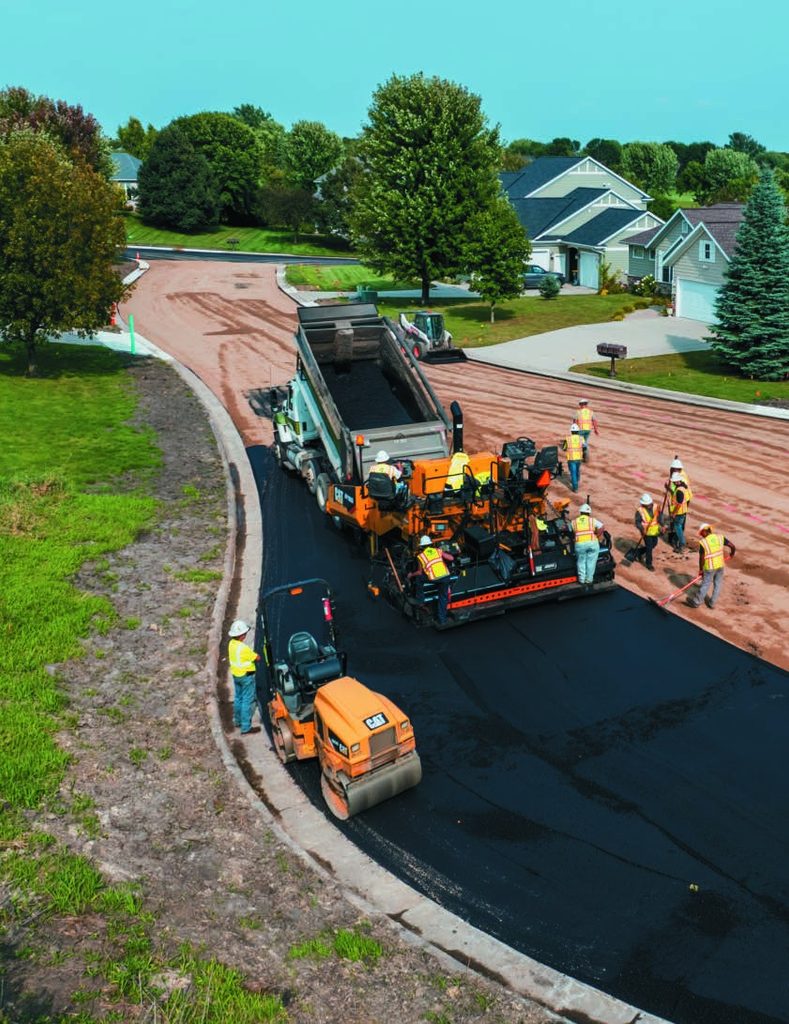
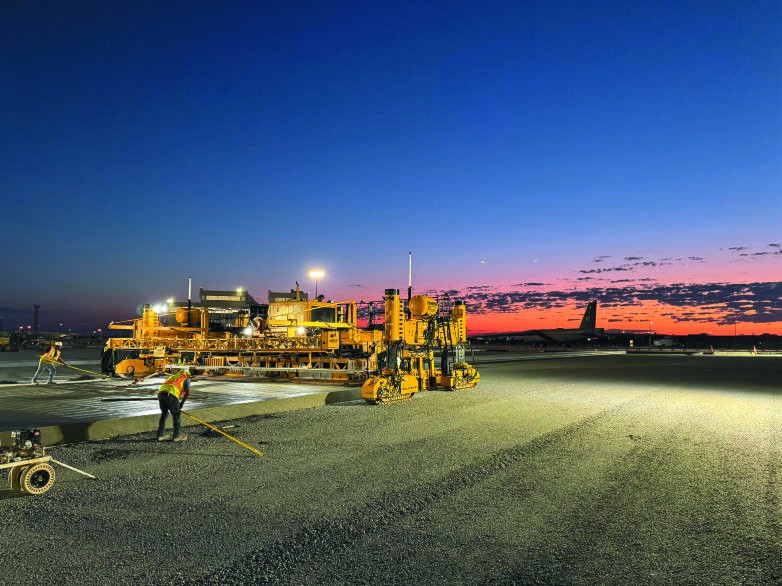
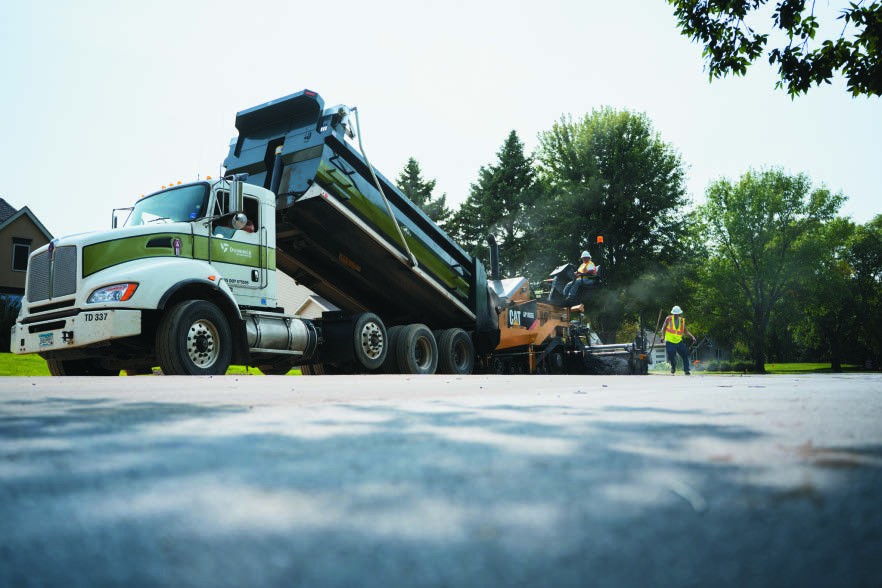
As the Duininck reputation for quality and innovation grew, it paved the way for geographic expansion, strategic acquisitions and new business ventures. In 1985, 50 families relocated from Minnesota to help the company open an asphalt plant in Texas, and in 2024 commissioned a 350-ton-per-hour portable counterflow asphalt plant in the state.
Strategic acquisitions in Minnesota, including the 1996 acquisition of Mooney (Minnesota Valley), the 2016 acquisition of McLaughlin and Schulz, and the 2020 opening of a new asphalt plant in Monticello, Minnesota, strengthened the company’s regional presence while expanding its materials and construction capabilities into the Southeast.
As Duininck welcomed subsequent generations into the business, the family recognized that sustained growth required equally strong governance to ensure continuity and protect the values that built the company.
“We’re family owned, board governed, and professionally managed,” said Jason Duininck, a third-generation partner. “It starts with a really tight family unit. Our faith is part of it, our employees are part of it, and then just the strong desire to see it go before fifth, sixth generations.”
The company is guided by a board that includes both family members and independent directors, while a combination of family leaders and professional executives leads day-to-day operations.
“It has to get tighter on governance because of how big it gets,” he said. “We have six partners in the business from the fourth generation, and they are well-educated, hard-working entrepreneurs who are ready to take over, and the sky’s the limit. I’m just excited to see where it will go.”
Preparing future leaders also means preserving the values that have defined the company since its founding in 1926. Each year, Duininck donates a percentage of its revenue to faith-based, Christian and educational ministries at the local, national and international levels, reflecting a long-standing commitment to serving communities beyond the projects it builds.
“When I see six partners from the fourth generation leading with that same heart for giving, I know the next hundred years are in good hands,” Jason said.