
Behind the scenes of an asphalt plant tour
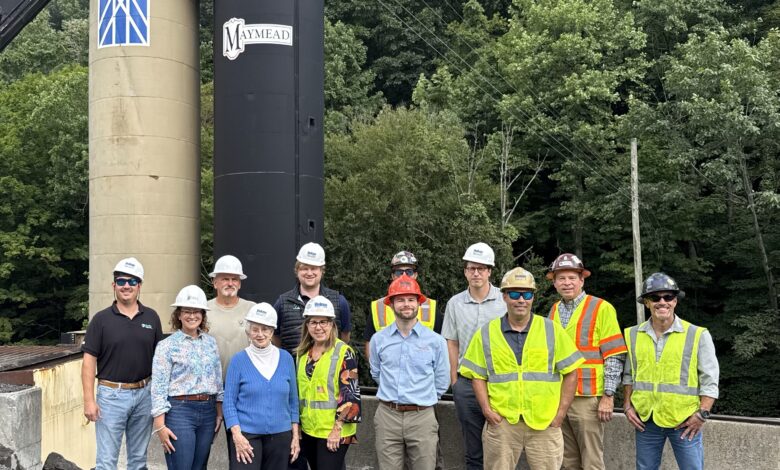
In Boone, North Carolina, nestled in the Blue Ridge Mountains, the start of the day’s site visit for Rep. Virginia Foxx (R-NC) — the 24th NAPA has coordinated in 2026 — was not at an asphalt plant.
It was a Cracker Barrel.
There, participants gathered over breakfast, fueling up for a full morning ahead. But even that is not really where the tour began.
Plant tours like this rarely start the day of the visit. They begin weeks, sometimes months, earlier: finding a date that works with a congressional schedule, identifying companies and partners to bring together, mapping out stops, coordinating logistics, and determining which local projects and policy issues can bring the industry’s story to life.
The tour itself may be the main event, but a lot goes into making those few hours count.
An Inside Look at a Site Visit
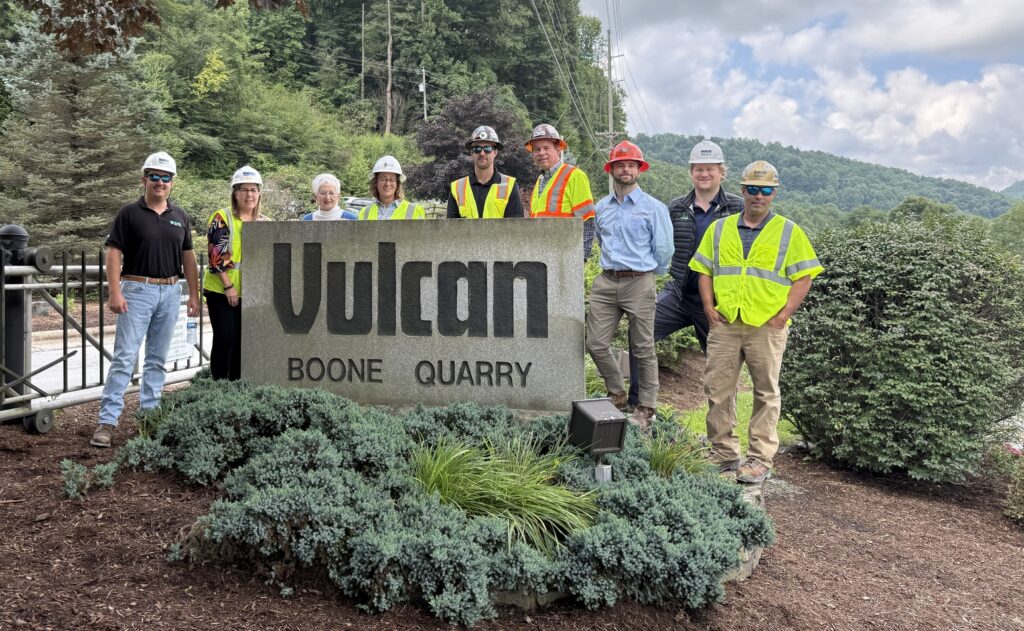
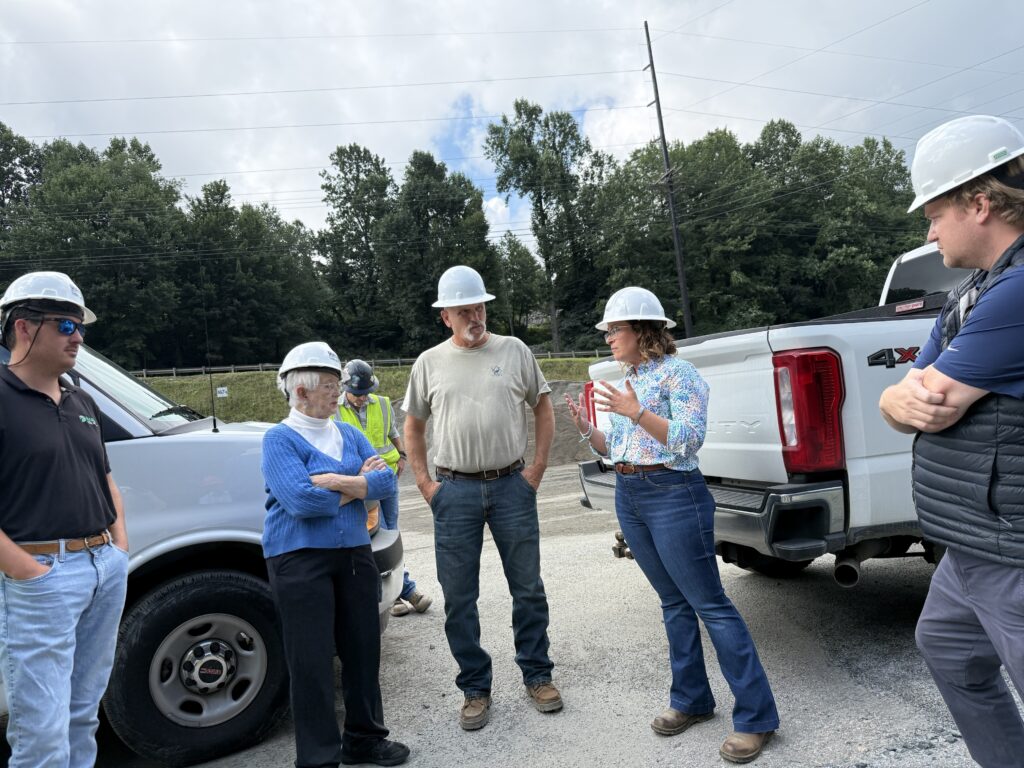
Energized and ready to go, representatives from Vulcan Materials, Maymead, and Wright Brothers Construction, along with the National Stone, Sand & Gravel Association (NSSGA) and NAPA, gathered at Vulcan’s Boone Quarry, the home base for a three-part tour.
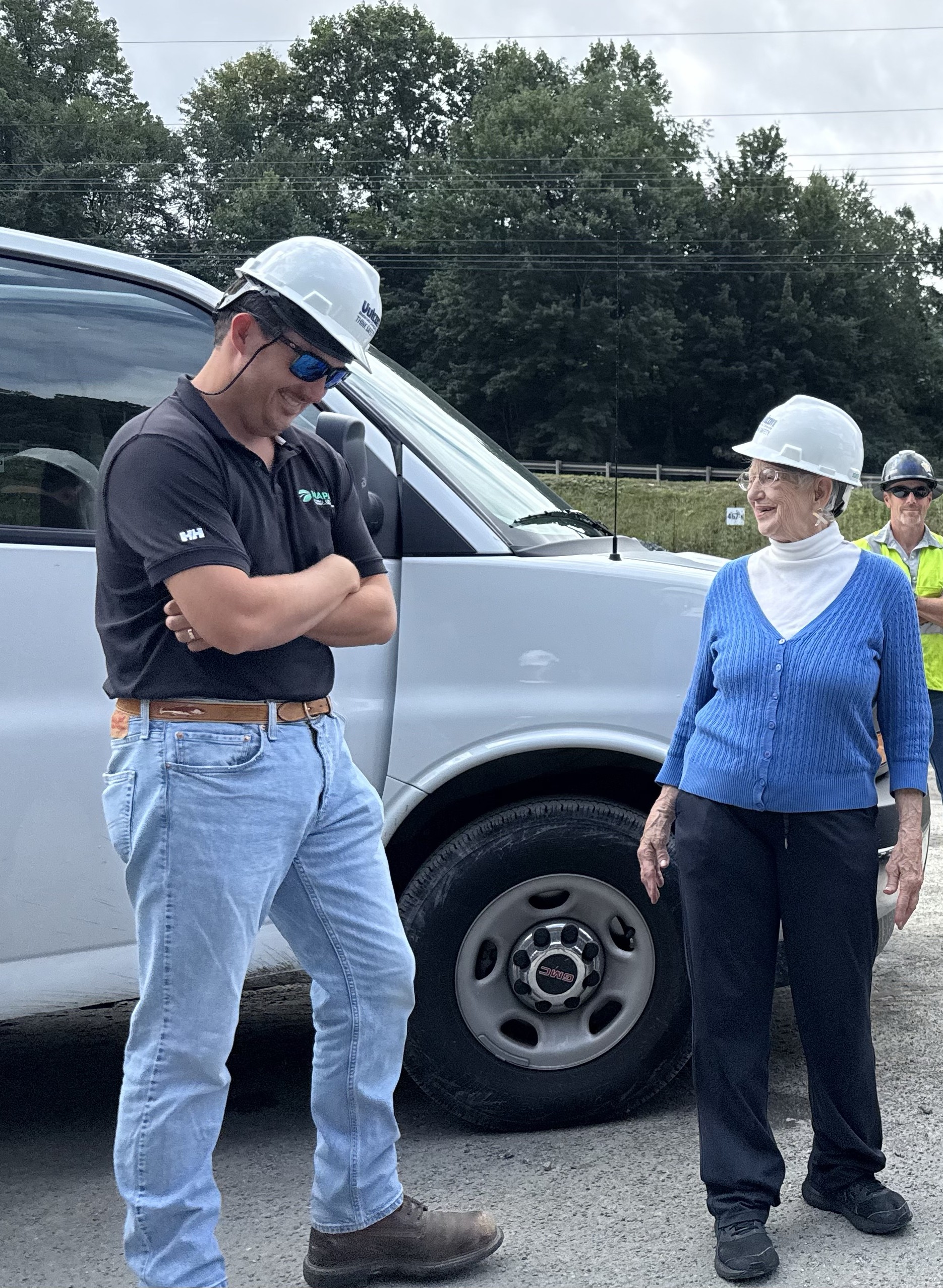
Foxx, who has represented North Carolina’s 5th Congressional District since 2005 and chairs the powerful House Rules Committee, arrived ready to learn more about the work happening in her district. Like lawmakers across the country during congressional recess periods, Foxx was spending time back home meeting with constituents and seeing firsthand the businesses and projects supporting the communities she represents.
“At Vulcan Materials, we take pride in opening our doors to showcase our work and the positive impact our operations have on the surrounding community,” said Denise Hallett, Manager of Government and Community Relations. “We are grateful to the team at Boone, who work every day to produce the materials needed to sustain transportation networks and drive the economic growth of Western North Carolina. We are so pleased Rep. Foxx was able to spend her morning learning about this critical operation.”
Introductions and refreshments quickly gave way to policy.
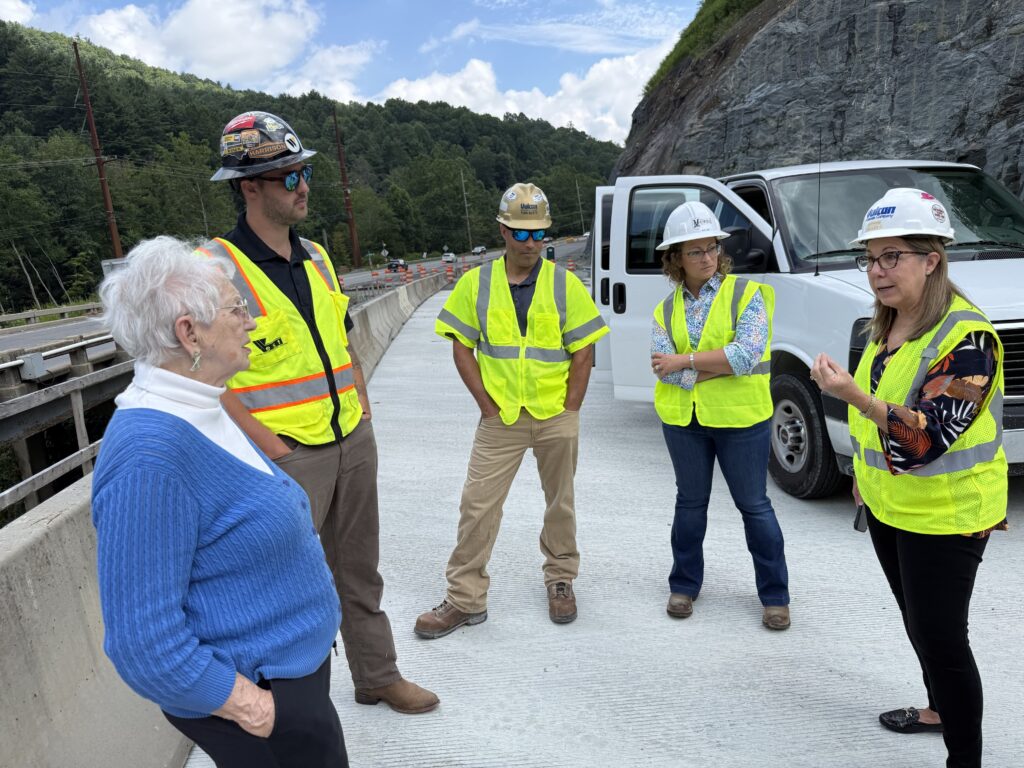
With Congress working toward the next surface transportation reauthorization bill, participants discussed how federal policy translates into the work happening around them. Long-term, robust, and reliable infrastructure investment gives states and businesses greater certainty to plan projects, invest in equipment and people, and keep America’s transportation network moving.
Few places understand the importance of that network better than Western North Carolina, where communities are still recovering from the devastating impacts of Hurricane Helene in 2024. Foxx was quick to highlight the impact material suppliers and contractors had in providing emergency access to impacted communities throughout the state, as well as the recovery efforts still ongoing.
“Maymead appreciates Congresswoman Foxx’s visit to assess the ongoing improvements on Highway 105 in Boone, as well as her recognition of the continued need for emergency relief funding following Hurricane Helene’s devastating blow to our region,” said Mary Katherine Law, Vice President of Maymead’s Foothills Division.
Then it was time to see the work in action.
From Quarry to Plant to Road
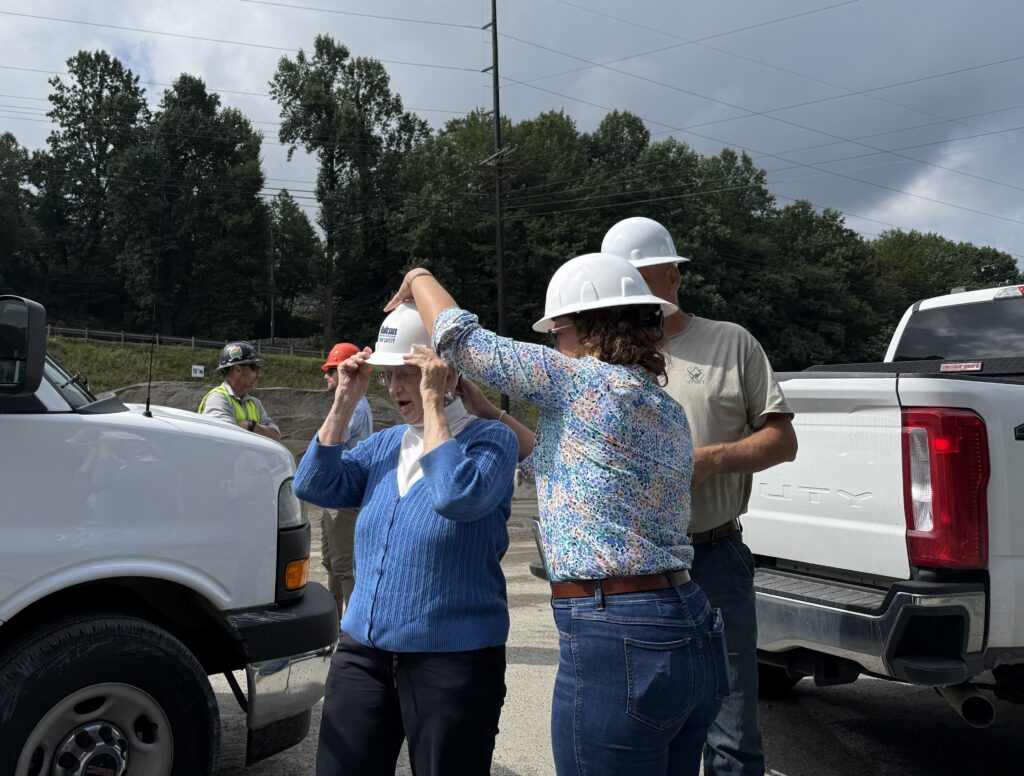
Participants climbed into a van and headed into Vulcan’s massive Boone Quarry, one of the company’s hundreds of aggregate facilities nationwide. Because of Western North Carolina’s unique geography and topography, the Boone Quarry mines vertically up the side of their deposit, with the upper benches reaching 700 feet above the pit floor.
There, participants saw where the roadbuilding process begins: with the raw materials that ultimately become the infrastructure Americans depend on every day.
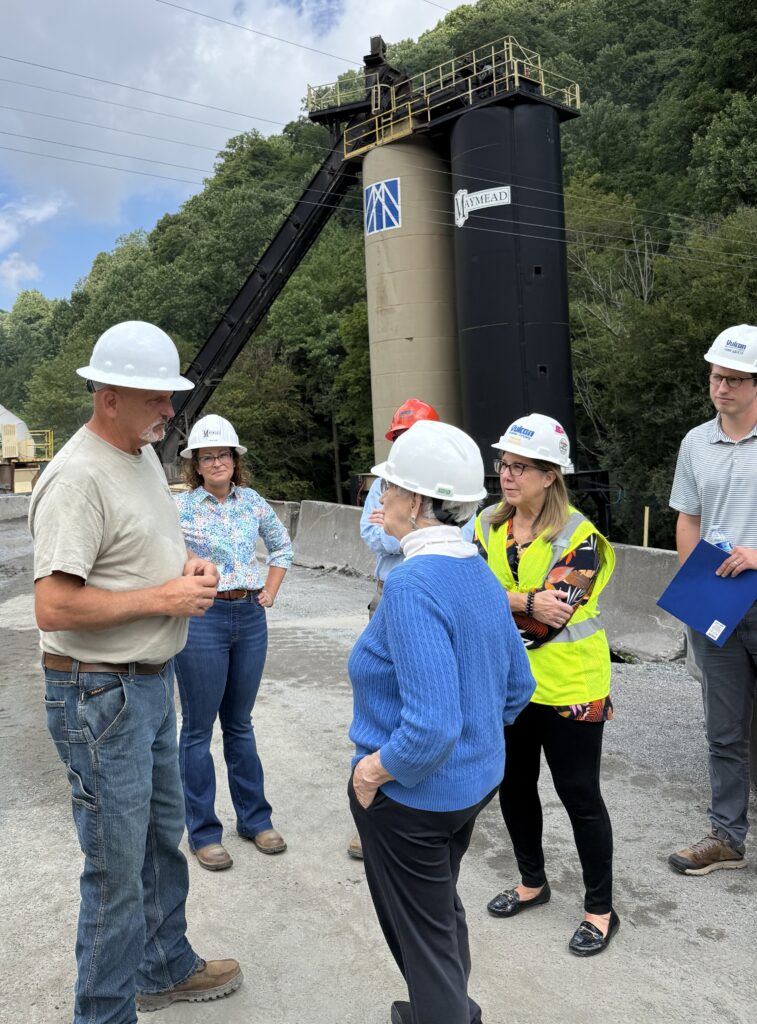
From the quarry, the group traveled down the road to one of Maymead’s 16 asphalt plants, all located in Western North Carolina and Northeast Tennessee. A family-owned company with roots stretching back to the 18th century, Maymead evolved from farming into aggregates and construction nearly a century ago.
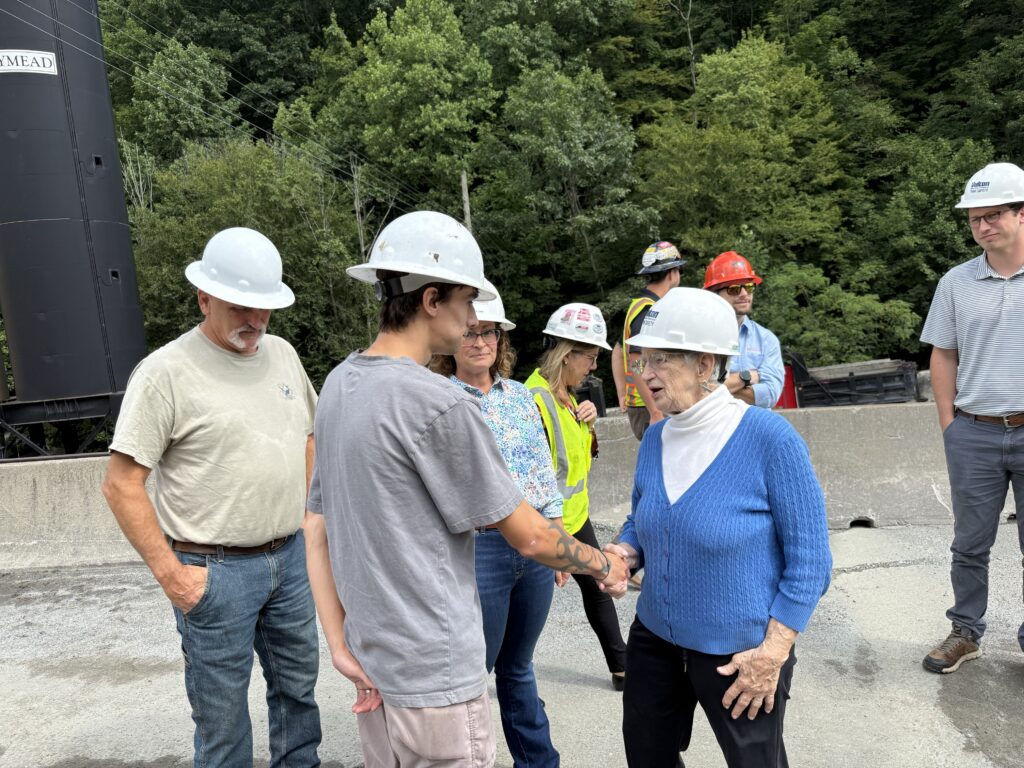
At the plant, Foxx asked questions about how asphalt is produced, learned about the operation, and met the employees behind it.
“Our industry depends on the funding of both state and federal legislatures,” Law said. “We are happy to show our elected officials that the money they dedicate to infrastructure projects is being used safely, responsibly, and efficiently, and ultimately making a difference in our communities.”
The final stop completed the story.
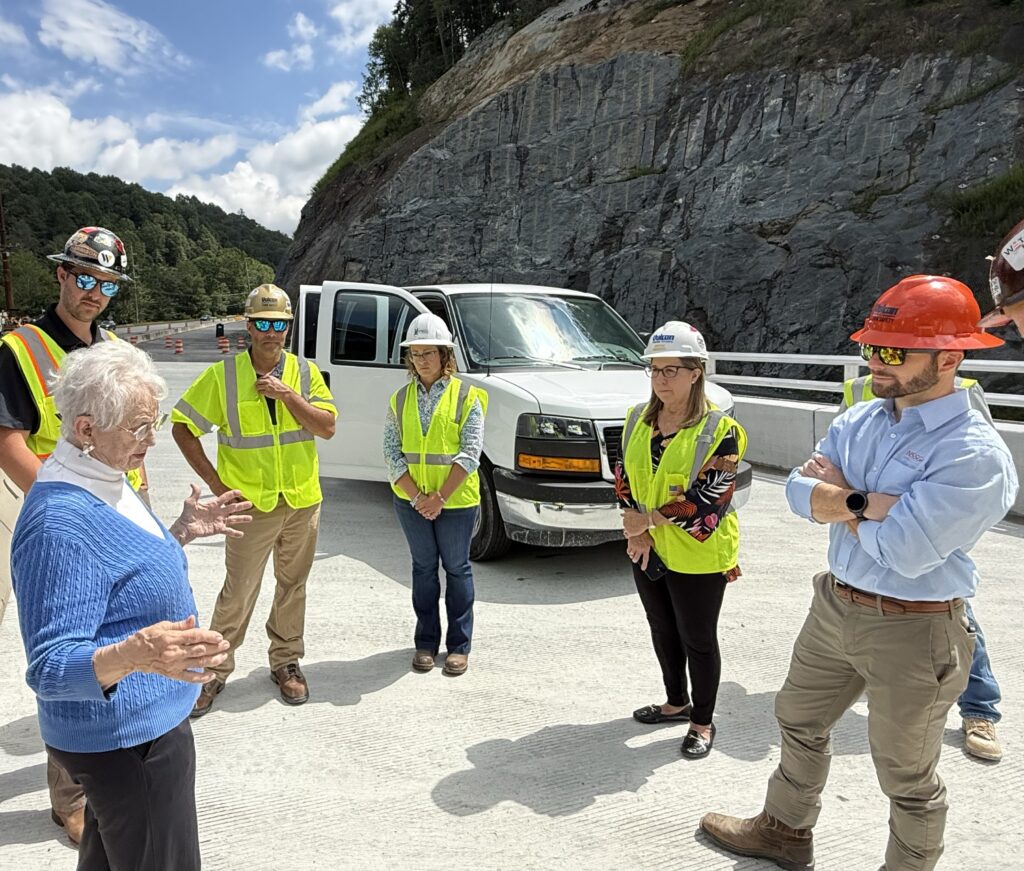
At a Wright Brothers Construction project along NC-105, participants saw the road-building process reach its final stage on a bridge improvement project. Foxx was particularly excited to see the bridge being widened and improved in her district. Wright Brothers, another family-owned business, has been operating since 1961 and today performs major construction work across the Southeast.
The Connections Behind the Construction
In the span of a morning, the group followed the transportation construction process from rock to road: aggregates coming from the earth, asphalt being produced from those materials, and the finished product ultimately taking shape as roadways.
The tour also showcased something less tangible but equally important: the partnerships behind that process. Large companies and family-owned businesses. Producers and contractors. State and national associations. Employees, community leaders, and elected officials. All have a role in building the transportation network that connects communities and powers the economy.
After nearly two hours, the group returned to Vulcan’s quarry. While the scheduled tour was over, the impact was not.
New relationships formed and existing ones strengthened. The next time tour participants see Foxx in Washington – potentially at an event like this September’s Hill Day — there will be a shared experience to draw from. Conversations started in Boone can continue on Capitol Hill, at industry events, and during future visits.
And that is part of what makes these tours so valuable.
Where Policy Meets the Pavement
NAPA has coordinated more than 50 asphalt plant tours and site visits with members of Congress across roughly 25 states since the beginning of 2025. No two look exactly alike. The facilities change. The projects change. The conversations and policy issues change.
But each onsite tour gives lawmakers something that cannot be replicated in a hearing room or congressional office: the opportunity to see the industry up close, meet the people doing the work, and understand how decisions made in Washington reach all the way back home.
And long after the hard hats come off, those personal connections remain, impacting people, policy, and progress.
GET IN TOUCH