Balanced Mix Design for Airfields: Engineering Asphalt for Real-World Performance
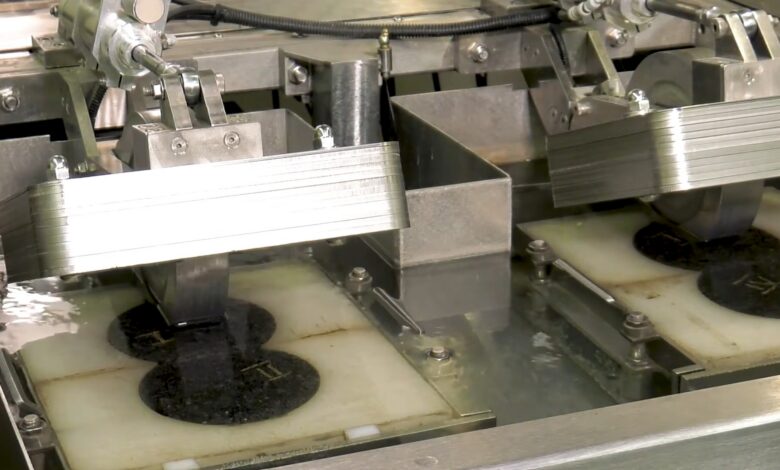
For decades, airfield asphalt mix design has relied primarily on volumetric and constituent requirements such as air voids, binder content, and aggregate gradation. While these measures remain important, they provide only indirect insight into how pavements will perform under the extreme conditions unique to airfields. Heavy aircraft loads, high tire pressures, slow or stationary movements, and elevated pavement temperatures create demands that are not always fully characterized by traditional volumetric specifications alone.
Shifting to Performance-Based Design
(Source: FHWA)
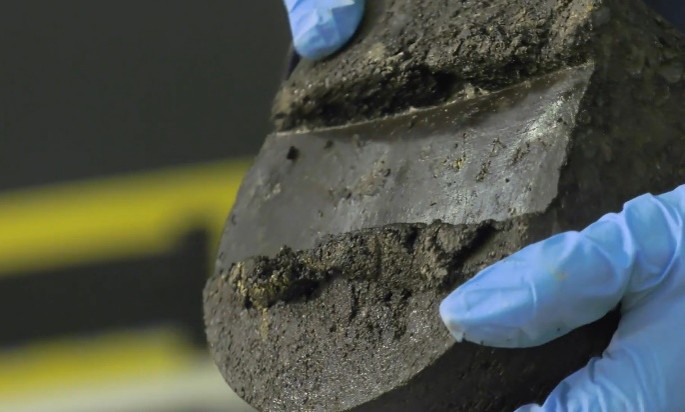
To address this challenge, the Airport Asphalt Pavement Technology Program (AAPTP) advanced research on Balanced Mix Design (BMD) for airfields, focusing on how performance-based testing can better characterize rutting performance prior to construction.
“Balanced Mix Design is really a shift away from relying only on traditional volumetric properties toward focusing on how a mixture is expected to perform in the field,” said Dr. Elie Hajj, professor and director of the Asphalt, Innovate, Enlighten and Implement cooperative program at the University of Nevada, Reno. “The goal is to engineer the mixture so it can resist the distresses it will experience under aircraft loading, rather than assuming volumetrics alone will get us there.”
Rutting Performance Considerations for Airfields
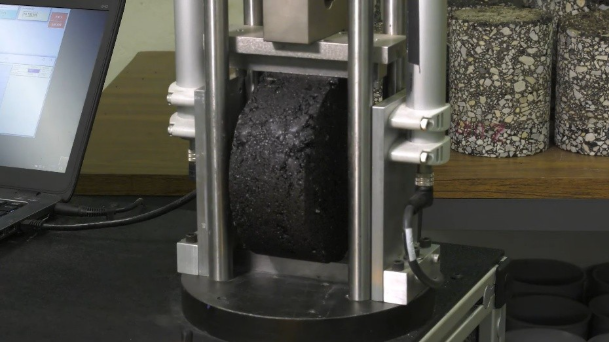
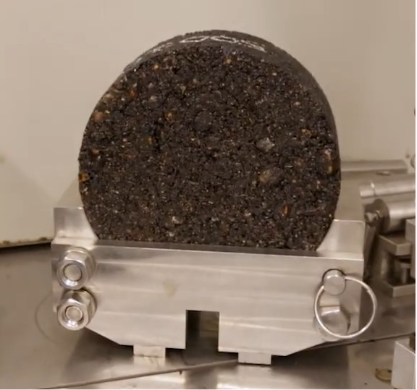
Tensile Test to evaluate rutting resistance.
(Source: FHWA)
Rutting is an important performance consideration in the design and evaluation of airfield asphalt pavements. Even small amounts of deformation can affect drainage, ride quality, and safety—particularly in critical areas such as runways and rapid-exit (high-speed) taxiways. While existing specifications already include rutting evaluations, those tests are often conducted under conditions that may not fully capture the range of real-world environments and loading scenarios encountered on airfields.
The AAPTP research team, which included members from the University of Nevada, Reno; Rutgers University; the Texas A&M Transportation Institute; RDM International, Inc.; and Duval Engineering LLC, set out to identify rutting performance tests that are not only technically sound, but also repeatable, practical, and adaptable to different airfield conditions.
(Source: FHWA)
Rather than relying on a single test or loading condition, the project evaluated multiple laboratory methods using laboratory and plant-produced asphalt mixtures from active airfield projects across the country. The mixtures captured a range of binder grades, aggregate structures, and construction conditions.
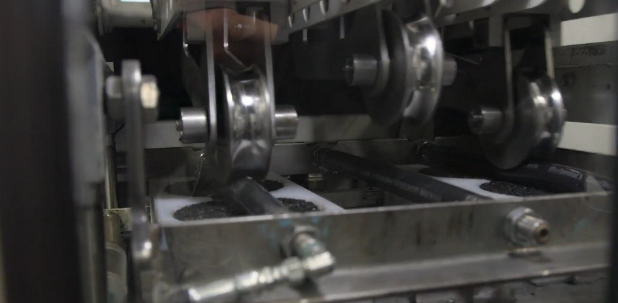
Four rutting performance tests emerged as reliable tools within a BMD framework. These included the Asphalt Pavement Analyzer, tested at two pressure levels; the Hamburg Wheel-Track Test; the High-Temperature Indirect Tensile Test; and the Ideal Rutting Test. Together, these methods provide agencies and contractors flexibility, allowing them to select tests based on available equipment, project risk, and implementation goals. The framework is also designed to help maintain consistent mix design outcomes so that different test selections do not inadvertently lead to differing mixture designs.
Linking Lab Results to Field Performance
One critical component of the research validated laboratory results against real-world performance. Pavement cores were collected from airfield sections with known performance histories, including both well-performing pavements and pavements with documented rutting performance histories in the asphalt pavement layers. Comparing laboratory outcomes with field performance helped the research team refine test criteria and confirm that the selected methods reflect how asphalt mixtures behave under actual aircraft loading conditions.
(Source: FHWA)
The findings reinforce that BMD is not about maximizing resistance to a single distress at the expense of others, but about achieving balanced overall performance. Enhancements to rutting resistance should be considered alongside cracking behavior and long‑term durability to maintain appropriate performance balance. While this project focused on rutting, it was conducted in parallel with complementary research on cracking, underscoring the importance of evaluating asphalt mixtures holistically.
A Practical Path to Implementation
Beyond the technical findings, the work placed an emphasis on implementation. Recognizing that performance testing represents an evolution in practice, the research outlines a phased approach that enables agencies and industry partners to build confidence over time. Initial steps may include shadow testing and pilot projects, followed by gradual integration into mix design verification and acceptance procedures. This approach will help laboratories, contractors, and owners gain familiarity with the tests, better understand how to interpret results, and learn how adjustments influence BMD test results.
The research also informs potential updates to Federal Aviation Administration specifications, including P-401 and P-403. Recommendations address not only mix design criteria, but also acceptance and quality assurance considerations. Where repeated-load tests may not be viable for frequent use, the recommended tests correlate well with performance and can support effective production monitoring.
Designing for Long-Term Performance
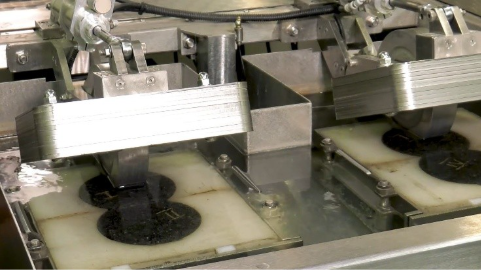
Wheel-Tracking Test (Source: FHWA)
At its core, this BMD research was about building confidence that laboratory tests reflect field conditions, that approved mixtures will resist rutting in service, and that incremental improvements in durability can translate into meaningful life-cycle cost savings by delaying maintenance and rehabilitation.
As airfield demands continue to grow, BMD offers a clear path toward engineering asphalt pavements that are not just compliant on paper, but reliable where it matters most: in the field.
Learn More
Visit AirportAsphalt.com to download the Balanced Mix Design: Rutting Performance Tests report and the accompanying fact sheets.