
NAPA members take asphalt industry’s priorities to Capitol Hill
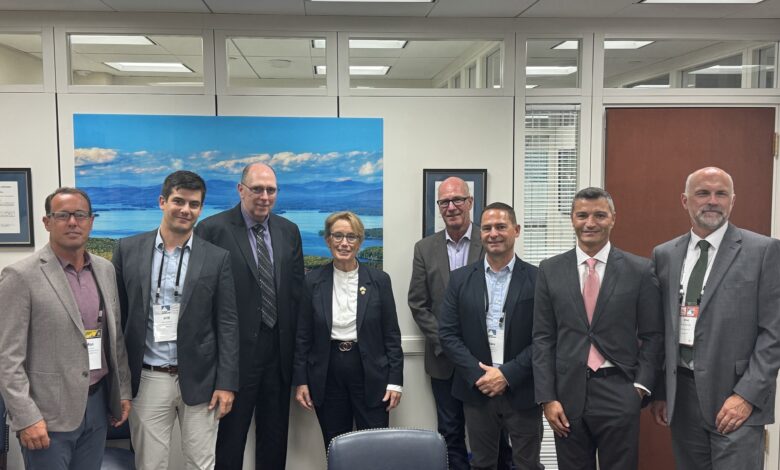
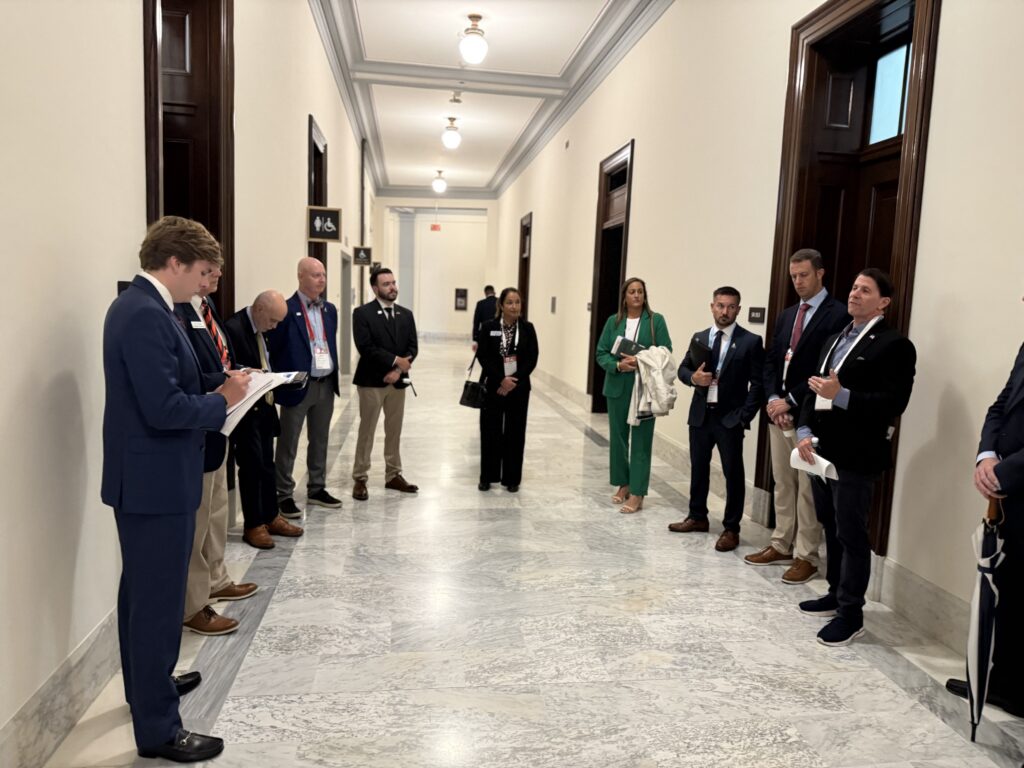
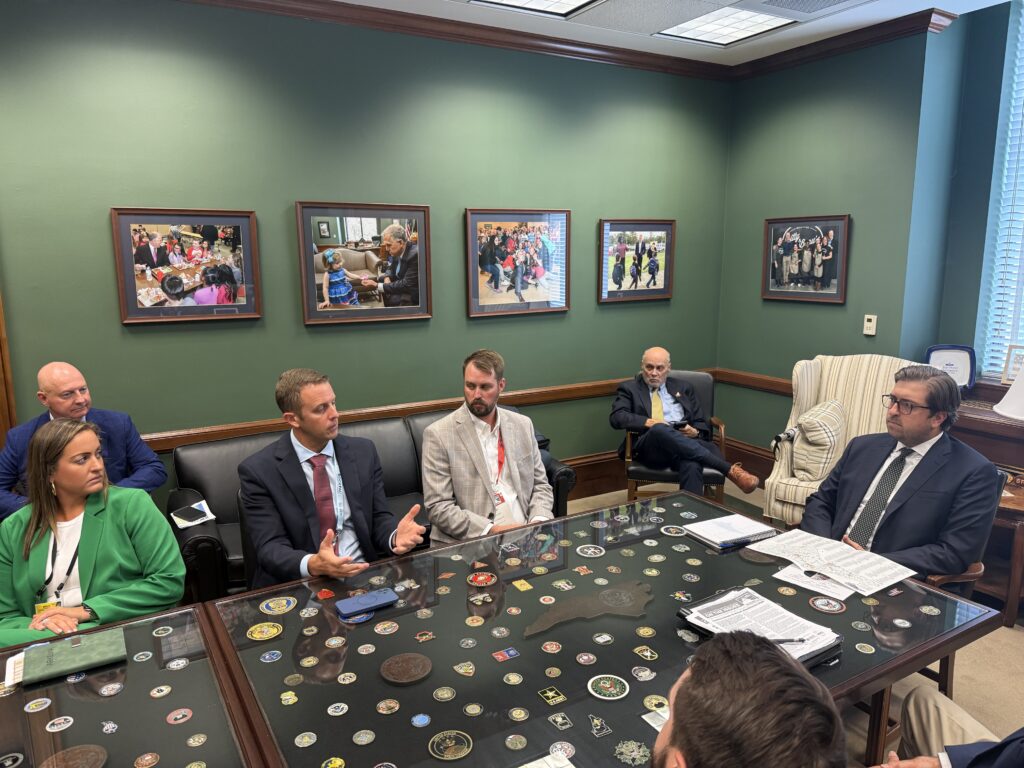
Nearly 100 NAPA members took to the halls of Congress Tuesday for a full day of meetings with lawmakers and congressional staff, advocating for the asphalt pavement industry, the thousands of people they employ, and the communities they serve across the nation.
The meetings were part of the annual Hill Day hosted by NAPA, the National Stone, Sand & Gravel Association (NSSGA), and the National Ready Mixed Concrete Association (NRMCA). Delegations from across the country shared how their companies strengthen their localities, support local jobs, and help power the nation’s economy. In total, attendees carried that message to more than 300 congressional meetings.
The day began early with inspiration from the leaders of the three associations: NAPA’s Audrey Copeland, NSSGA’s Michele Stanley, and NRMCA’s Jim Riley.
“The meetings you have today will build momentum for the important work Congress must do to support our vital industries and what we do every day to strengthen the nation’s economy,” Copeland said.
Conversations there covered priorities ranging from permitting reform to workforce development, but one issue took center stage: passing a long-term surface transportation reauthorization before the current extension expires Dec. 11.
NAPA members emphasized the need for long-term, robust funding that gives states, municipalities, and companies certainty to plan and execute projects. They urged the House to pass the BUILD America 250 Act and the Senate to release and advance its companion legislation as soon as possible.
“It’s up to us – up to you – to really urge these representatives, senators, and their staffs to take action, because funding expires in December and a new Congress is inaugurated in January,” Copeland said. “Delaying, extending, wishing, and hoping are simply not options.”
After a full day crisscrossing Capitol Hill, attendees reconvened for a reception to compare notes, share what they heard in congressional offices, and discuss what comes next –because successful advocacy doesn’t end when Hill Day does.
“Impactful advocacy requires persistence,” Copeland said. “It requires telling our story over and over, and continuing to build relationships with our elected officials.”