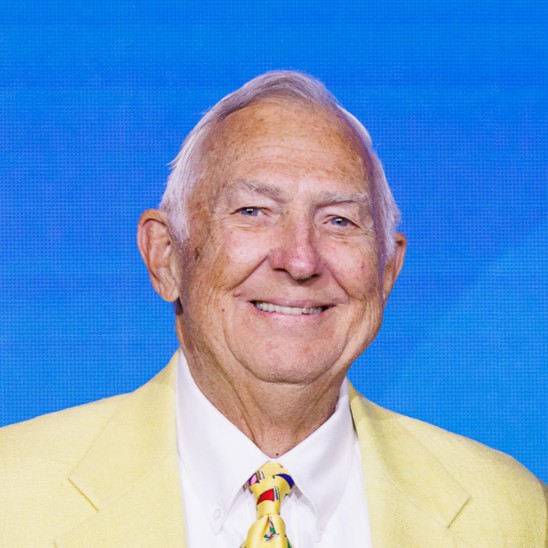
Asphalt companies are well-known for operating as a family business, but building a legacy of leadership is no small feat. This week on Pave It Black, we welcome the Lemon family of Haskell Lemon Construction in Oklahoma City, a paving company that’s been a NAPA member since the summer of 1955, the very first year NAPA was formed. Three generations sit down together: Larry Lemon, who joined the company at sixteen and spent 50 years shaping the industry; Jay Lemon, the third generation and current NAPA chair; and Jack Lemon, the fourth generation, who started work outside the family business before coming back to help launch a new division.
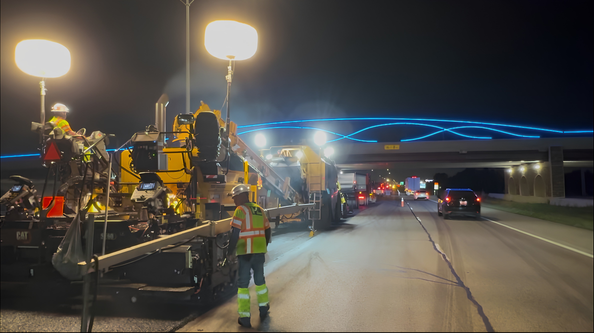
The conversation traces how each Lemon found his own path into asphalt paving, from summer jobs on paving crews to full-time careers, and the mentors who shaped them along the way. We reflect on landmark projects, including an award-winning airport runway rebuild that pioneered recycled asphalt, and an overnight interstate resurfacing project so unobtrusive that local media dubbed the crew the “Phantom Contractor.” Tune in to find out what it means to lead a family business and how to inspire the next generation to get involved.
Here’s a sneak peek into this week’s conversation but be sure to tune in to the full episode for all the insights. You can listen wherever you get your podcasts.
RW: I want each of you to think back a little on your time at the company. Is there a specific job or project or moment that defines the Lemon story, or that you look back on and think, “I’m really proud of that one”?
LL: As I look back over all the jobs we’ve built, there are three jobs that really come to mind, that set us up to be a great contractor and were outstanding for the industry. In the early ’80s, 1983, our airport decided they needed to rebuild their crosswind runway, typically 100 feet wide and 9,000 feet long. They put it out for bid as an all-concrete job, with a base bid and an alternate, and they only got two bids; one contractor failed to fill out the alternate, so they had to throw out all the bids.
So they rebid it with a concrete design and an asphalt design. Since we were strong in NAPA and the asphalt industry, we had learned to do recycling. In the early ’80s, drum plants and recycling technology to recycle asphalt and concrete, and lower costs, came of age, and we became the successful bidder on the rebid.
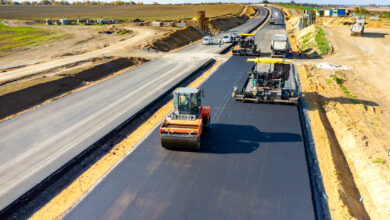
That was a tremendous 200,000-ton project. We moved an asphalt plant right onto the site. We picked up the old runway, which was four inches of asphalt, milled it up, and there was six inches of concrete underneath, which we crushed on site. We used all the local materials we could and made great, high-quality FAA-spec mix designs on site, and put back 30 inches of full-depth hot mix asphalt, 8,000 feet long.
We were very proud of that job. It was outstanding for us. We submitted it to the NAPA Awards Committee, and it ended up winning the award for best airport job the next year, so we were very proud of it.