In the Season 11 finale of Pave It Black, the conversation moves from asphalt’s role in building America to the future of road building. We welcome NAPA President & CEO, Audrey Copeland, and FleetWacther’s EVP, Adam Harshman, back to the studio to share what excites them about the next 50 years.
Audrey explains how sustainability has become a technical discipline, with environmental product declarations, recycled materials engineered to the same standard as virgin materials, and tools like the Emerald Eco-Label. Adam describes how contractors went from reacting to problems after the fact to having real-time visibility across fleets, plants and job sites. Together they discuss how construction is adopting digitization and artificial intelligence, what is holding some companies back, and why pavement could one day do far more than carry traffic.
The conversation keeps coming back to people. Both guests say collaboration, research and the industry’s workforce made asphalt’s legacy possible. They also give the next generation of asphalt professionals advice on staying curious, taking a long-term view and learning from those who came before them.
Here’s a sneak peek into this week’s conversation but be sure to tune in to the full episode for all the insights. You can listen wherever you get your podcasts.
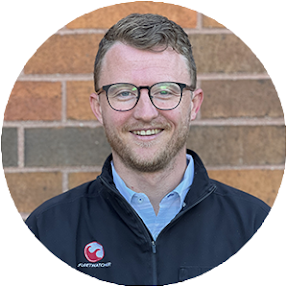
RW: Adam, you’ve been in the industry for a number of years now. What’s the biggest shift you’ve seen in your role in how contractors get work done each day?
AH: I would say the biggest shift I’ve seen is really around visibility, Richard. Ten years ago, when I started, operations were largely managed by experience, phone calls, whiteboards, and the old-school radios you would see in trucks. If something went wrong, contractors were finding out after the fact, and most of them spent their days reacting to problems that came up throughout the day.
Today, just 10 years later, most contractors have full visibility into fleets, plants, and job sites, including things Audrey mentioned, like safety programs and being able to identify work zone safety hazards before they become an issue, and being able to identify and track carbon metrics. It’s all about visibility into what they’re expected to do.
They’re able to see it in real time and identify bottlenecks or safety hazards before they actually become an issue for their people or for their bottom line. Ten years ago, contractors were asking, “What’s going on?” Now they’re seeing what’s going on and saying, “Here’s what we see. What do we need to do to fix it?” That’s the real power of having that visibility in today’s day and age. They’re able to see where the opportunities lie before they become really big issues.